Taking on a new allotment can be challenging, but rewarding in the long-run. The points below will help you decide whether taking on an allotment is the right choice for you.
Challenge 1 – Time management
Allotments can take up a lot of your time, and it doesn’t take long for them to become untended if you don’t visit regularly. The RHS suggests beginners might need to commit eight hours’ per week to a half plot, with more experienced gardeners needing around four hours’ per week.
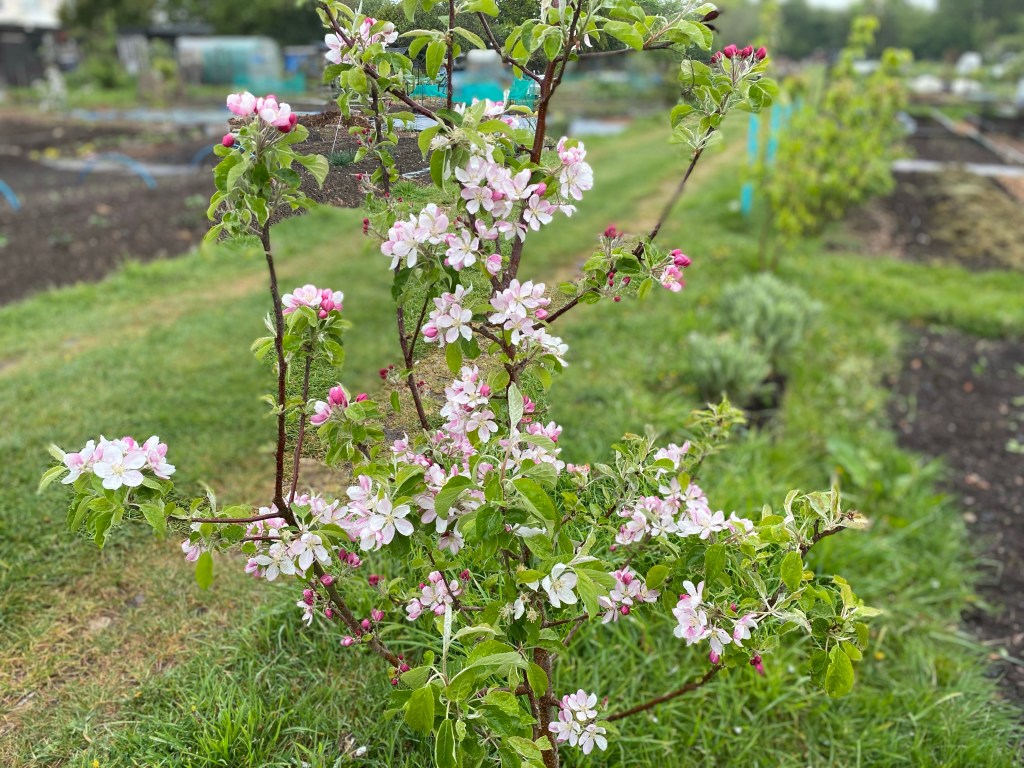
You will be expected to keep a good level of cultivation on your plot (which means using the space to grow a reasonable amount of produce). This requires regular visits to prepare beds, weed, sow, plant, tend and to water during warmer weather. Have a think about how much time you can realistically commit.
If there are going to be long periods where you are unable to visit your plot, plan for who will tend it on your behalf while you are away (you will need to let a committee member know the arrangements if this is the case).
Challenge 2 – Clearing your new allotment
You may be fortunate enough to be offered a tidy, working plot, but depending on the previous plot holder and the length of time it has been left untended, you may need to be prepared to do some clearing before you can start growing.
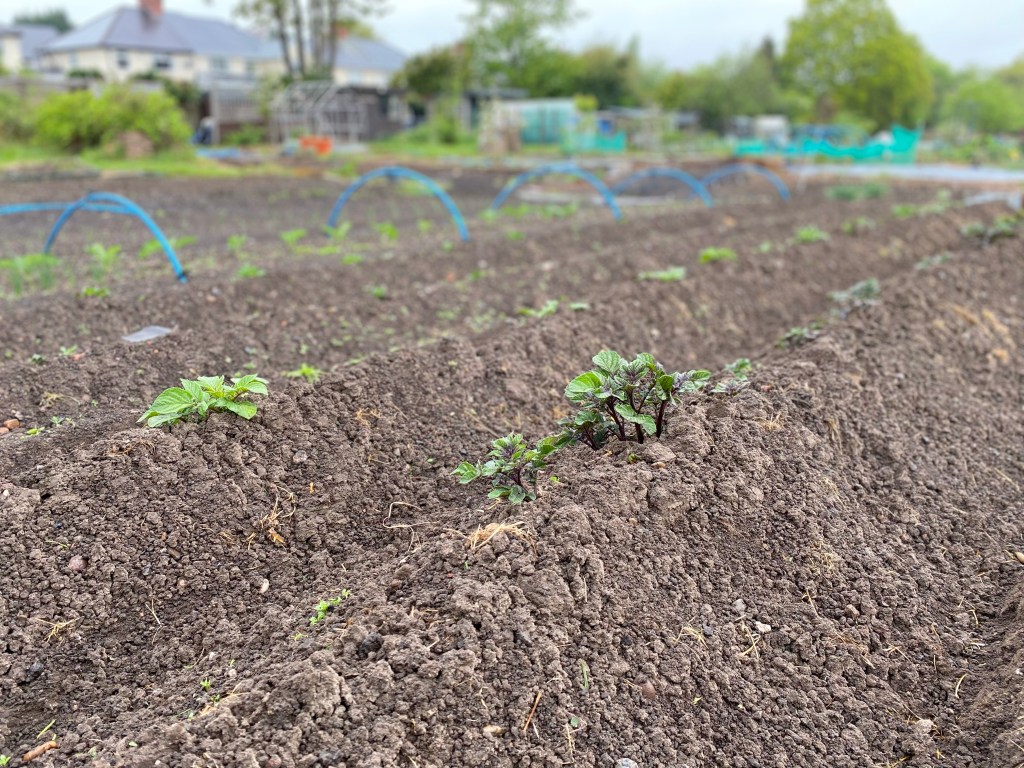
If your plot needs clearing, the best way to approach this is to concentrate on a small area at a time and cover the rest with weed suppressant until you’re ready to work on it. This way you can start growing sooner rather than later.
When clearing your plot, weeds and any other unwanted vegetation can be disposed in the designated Green Waste area. Bonfires are permitted for certain waste materials, but please follow our rules and guidance around what can be burned and when bonfires are allowed. All other waste should be taken home or disposed of at the council tips.
Challenge 3 – Keeping weeds at bay
Weeds can spread surprisingly quickly on an allotment site, particularly during spring when perennial weeds emerge from their dormant stage, and during summer when annual weeds appear as the ground warms up.

You will be expected to keep weeds on your plot to a minimum to prevent them from spreading and setting seed on your own and your neighbours’ plots. This a challenge for old and new plot holders alike, but there are things you can do to make this easier, including:
- Pulling up weeds as soon as they appear
- Continual hoeing to remove surface weeds and weaken deeper roots
- Covering beds while they’re not in use
- Laying weed suppressant or mulch along permanent paths
- Preparing growing spaces by:
- digging out any visible perennial weed roots such as couch grass (twitch), horsetail and bindweed before planting
- adopting ‘no dig’ methods where the ground is covered with thick cardboard to block out light, and then a layer of compost is added on top
- Regularly strimming or mowing grass paths to prevent weeds such as dandelions setting seed.
Please note: Weedkiller must not be used to clear your plot.
Whatever method of weed management you choose, above all, preventing weeds from taking hold requires time and a regular commitment to tending your plot.
 Penn Road Allotments