Minimising risk | First aid kits | Emergency contacts | Lone working | Safety after dark | Tetanus
Minimising risk
You can limit the chance of injury and illness to yourself and others by:
- keeping paths clear and free from weeds to avoid trip hazards
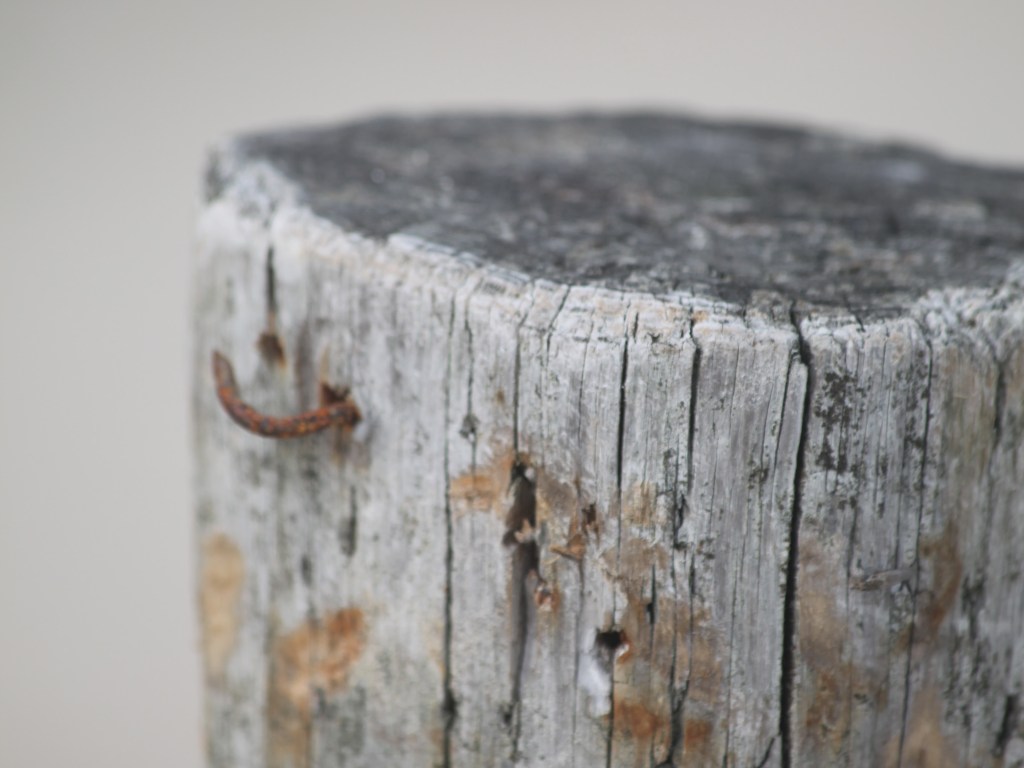
- keeping a clean and tidy plot to limit hidden hazards such as broken glass, rusty nails, dips and ditches, etc.
- discouraging rats and mice
- wearing suitable clothing, including gardening gloves, appropriate footwear and safety goggles when using strimmers, etc.
- reading and following the instructions when using:
- garden tools and machinery
- plant foods, fertilisers and chemicals, etc.
- washing hands with antibacterial soap after handling compost and manure
- ensuring any structures are well-maintained
- taking care when lighting bonfires and following our Bonfires Code of Practice.
A more comprehensive guide to minimising health risks in the garden can be found on the RHS website.
First aid kits
It is advisable to keep a first aid kit on you plot. Some items to consider including are:
- plasters
- Steri-strips (skin closures)
- sterile gauze dressings
- disposable sterile gloves
- scissors
- sterile cleansing wipes
- antiseptic cream
- bite and sting cream
- medical sticky tape
- safety pins to secure bandages/slings.
Emergency contacts
Emergency contact numbers can be found on the noticeboards on both the Penn Road and Wynn Road gates.
The emergency contacts are Committee Members who may be able to gain access to the site if, for whatever reason, you find yourself in need of help. They should also be notified of trespassers on site.
Please bear in mind that the Committee are volunteers and while they endeavour to help, they may not always be available. It is a good idea to list all the contacts under ‘Allotment’ in your phone, in case you need to try more than one person.
In case of emergency, always call 999.
Lone working on allotments
Penn Road Allotments is a large, open space, which poses extra risks should you find yourself alone and need of help. Things to bear in mind are:
- While the site is gated, trespassers can gain access
- Depending on the time of day and year it could be many hours – or even overnight – before other plot holders arrive on site
- Parts of the site are particularly isolated, and areas are hidden from view.
Safety measures to consider when working alone at the allotment are:
- Keeping a mobile phone (with emergency contact details added) charged and with you at all times
- Letting someone know where you are and at what time you plan to leave the plot, then arrange to check in with them as you leave
- Avoid working over the site when it is getting dark.
Safety after dark at the allotment
Towards autumn time the sun is lower in the sky and the light at the allotment can drop quite suddenly. Bear in mind that street lighting from the surrounding roads doesn’t reach the middle of the site, and so once the sun has set uneven ground and other hazards are very hard to see.
To avoid being caught off guard, it’s worth making a note of what time the sun sets and planning to complete tasks and pack away tools at least an hour beforehand. The BBC weather webpage shows sunrise and sunset times at the bottom of the page.
Tetanus
Tetanus is a serious but rare condition caused by bacteria getting into a wound. Gardeners who regularly handle soil and manure are at higher risk than non-gardeners, therefore it is advisable for all plot holders to have received the full vaccination course.
The NHS website states: Tetanus bacteria can survive for a long time outside the body and are commonly found in soil and the manure of animals such as horses and cows.
 Penn Road Allotments